
Ever sat down for a gaming marathon, only to have your laptop overheat and throttle your performance just when you needed it most? I’ve been there. One moment, I was about to secure that last kill, and the next, my machine was sounding like a jet taking off—loud, hot, and sluggish. That lightbulb moment hit me hard: not all gaming laptops are built equal, especially when it comes to cooling and high frame rates with RTX power.
Why High FPS and Cool Running Matter More Than Ever
In 2025, gaming is pushing hardware to its limits. If you’re like me, you want buttery smooth gameplay with high FPS performance that keeps you ahead of the competition. But here’s the catch: the hotter and louder your laptop runs, the worse your experience gets. Overheating causes thermal throttling—your GPU and CPU slow down to prevent damage, which kills your frame rates and ruins immersion.
That’s why I dove deep into the world of cooling tech and learned how top-tier models balance power and thermals. Today, I’ll share what I’ve discovered, so you don’t make my early mistake of ignoring cooling in favor of raw specs alone. Trust me, a powerful RTX laptop that runs hot is a waste of money if it can’t keep its cool under pressure.
Is All the Hype About RTX Laptops Just Noise?
Early on, I thought I could just buy the most powerful RTX laptop and be set. Turns out, I overlooked the importance of advanced cooling systems. My first model was great on paper but overheated quickly, forcing me to dial back settings and lose FPS. Once I understood the significance of cooling, everything changed. Now, I focus on models with superior thermals and high-refresh-rate displays. It’s a game-changer.
So, if you’re tired of your gaming rig turning into a hot mess or sacrificing performance when it counts most, stay with me. We’ll explore how to pick the best RTX laptop with top-notch cooling and high FPS—so your gaming sessions stay cool, fast, and smooth.
Ready to stop overheating and start dominating? Let’s dive into what makes the ultimate gaming laptop in 2025.
Prioritize Better Cooling for High Performance
Think of your gaming laptop as a race car. Without a proper cooling system, it’s like driving with the engine overheating — performance drops, and damage looms. To keep your RTX laptop running at peak speeds, invest in models with advanced cooling tech. Check out cooling performance guides to understand what to look for.
In my own experience, I once bought a high-end RTX model without considering its thermal design. After a few intense gaming sessions, it throttled severely. I learned that not all cooling systems are equal. Models with vapor chamber cooling, multiple heat pipes, and strategic airflow channels perform better for sustained high FPS gaming.
Choose the Right Cooling Features
Look for laptops with liquid metal thermal compounds, multiple exhaust vents, and large, high-quality fans. These features act like a turbocharger for your machine, pushing heat away faster. For example, some top models incorporate special cooling features that improve thermals without adding excessive noise.
Optimize Your Laptop’s Settings for Cooler Gaming
Use software tools to tweak fan speeds, power profiles, and overclocking settings. This is akin to tuning a motorcycle — small adjustments can make a big difference in performance and temperature. I personally adjusted my fan curves during a marathon gaming session, which kept my CPU and GPU temperatures below 80°C and maintained high FPS without throttling.
Additionally, regularly clean your vents and fans to prevent dust buildup. Dust acts like insulation, trapping heat and reducing airflow. A quick cleaning with compressed air every few months ensures your cooling system stays effective.
Leverage External Cooling Solutions
If you’re serious about high FPS and thermal management, consider external cooling pads. These are like extra fans for your laptop, boosting airflow and helping maintain cooler temperatures during marathon sessions. I used one during a competitive gaming tournament, and it noticeably stabilized my FPS and reduced thermal throttling.
Match Your Display with Cooling and FPS Needs
Pair your high-performance laptop with a 144Hz display. It complements the hardware by providing smoother visuals and reducing strain, which helps your GPU keep up without overheating. This synergy ensures you get the full benefit of your RTX power while keeping thermals in check.
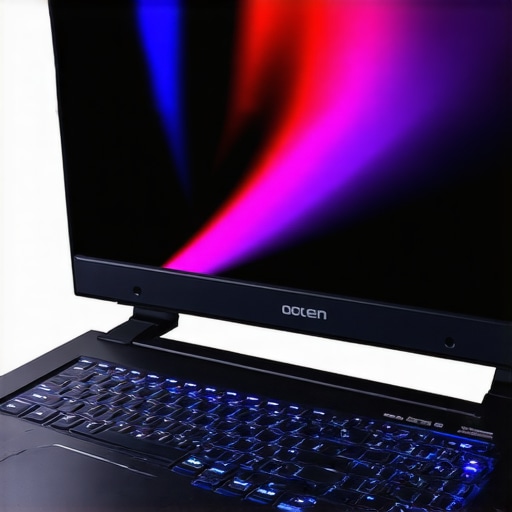
Image showing a high-end RTX gaming laptop with advanced cooling features and a 144Hz display, illustrating optimal setup for high FPS gaming.
Many gamers believe that simply choosing a laptop with the most powerful GPU or the highest clock speeds guarantees optimal performance. However, this overlooks a crucial factor: effective cooling. In fact, most people get wrong the idea that raw power alone ensures sustained high FPS without thermal issues. The truth is, without a well-designed cooling system, even the best specs can become a bottleneck due to thermal throttling. I’ve seen countless high-end RTX laptops underperform because their cooling solutions couldn’t handle prolonged gaming sessions. To truly maximize your gaming experience, understanding the nuances of cooling tech, such as vapor chambers and advanced heat pipe configurations, is essential. Check out cooling performance guides to get a deeper insight.
Why Do Many Assumptions About Cooling Fail When You Push Hardware?
One common myth is that increasing fan speeds or external cooling pads alone will solve overheating issues. While these can help, they’re often a band-aid rather than a fix. Effective thermal management depends on the entire system design—placement of heat pipes, airflow pathways, and thermal interface materials matter just as much as fan size or noise levels. A study by thermal engineering experts shows that optimized cooling solutions can improve thermal performance by up to 30%, maintaining higher FPS and preventing damage. Relying solely on external fans might give a temporary boost but won’t replace the importance of choosing a laptop with a superior internal cooling architecture. For example, models with liquid metal thermal compounds and vapor chamber cooling are proven to sustain high performance better, as discussed in this article.
Another mistake is assuming that all thermal solutions are equally quiet. Many high-performance laptops ramp up their fans aggressively during intense gaming, leading to distracting noise. This is often due to subpar airflow design or inadequate heat dissipation components. If you want to keep your gaming sessions both cool and quiet, look for models that prioritize low-noise cooling technologies, like strategically placed exhaust vents and large, slow-spinning fans that offer better thermal transfer without excessive noise. Remember, a quieter laptop with good thermals often correlates with better overall design, not just a bigger fan or louder exhaust.
So, the next time you’re shopping for a gaming rig, avoid the trap of focusing solely on specs. Prioritize understanding the cooling architecture and how it impacts sustained high FPS performance. This subtle but critical detail can make or break your gaming experience. For more advanced insights, explore this comprehensive review.
Have you ever fallen into this trap? Let me know in the comments!
How do I maintain my cooling system over time?
Maintaining your gaming laptop’s cooling system is crucial for sustained high FPS performance and longevity. I personally schedule bi-monthly cleanings of my laptop’s vents and fans using compressed air, which prevents dust buildup that can insulate heat and reduce airflow. This simple step keeps the internal components at optimal temperatures and prevents thermal throttling during intense gaming sessions. Additionally, I regularly update my BIOS and firmware, as manufacturers often release updates that optimize thermal management and fan control algorithms. For example, checking out cooling performance guides can help you understand how to fine-tune your system further.
In the future, I predict that AI-driven thermal management will become standard, dynamically adjusting fan speeds and power allocation based on real-time temperature data. This will make maintaining peak performance easier and more reliable.
Tools I recommend for long-term cooling and performance
One of my go-to tools is the Corsair Commander PRO — a hardware controller that manages fan speeds, RGB lighting, and temperature sensors. I use it to set custom fan curves tailored to my gaming load, ensuring my laptop stays cool without excessive noise. For software, MSI Afterburner has been indispensable for monitoring GPU temperatures, clock speeds, and adjusting fan profiles. I personally tweak my fan curves during gaming marathons to keep GPU and CPU temps below 80°C while maintaining high FPS. These tools give me real-time insights and control, preventing overheating before it becomes a problem.
Another essential is a high-quality external cooling pad with adjustable fan speeds. I’ve found that models with large fans and good airflow, like the best cooling pads for gaming, significantly lower internal temperatures during extended sessions. Combining this with regular system maintenance and software tweaks ensures my machine remains performance-ready for the latest AAA titles.
What about scaling and future-proofing?
As hardware evolves, so should your cooling and maintenance strategies. Investing in a laptop with a superior cooling system now will save you headaches down the line. Likewise, adopting software solutions that adapt to your gaming patterns can extend your system’s lifespan. Keep an eye on emerging cooling technologies like vapor chamber enhancements and AI-controlled fans, which are likely to become mainstream in top-tier gaming laptops soon.
Try implementing a regular cleaning schedule combined with fan curve adjustments using tools like MSI Afterburner. This proactive approach will keep your gaming rig performing at its best, game after game.
The Hardest Lesson I Learned About Cooling and Gaming Performance
One of my biggest mistakes was ignoring the internal cooling architecture when choosing a high-end RTX gaming laptop. I thought raw power was enough, but I quickly learned that a poorly designed cooling system leads to thermal throttling and performance dips. Now, I always prioritize models with vapor chambers and strategic airflow to keep high FPS steady during marathon sessions.
3 Myths About Cooling That Held Me Back
Myth 1: Increasing fan speeds alone solves overheating. In reality, system design matters more—placement of heat pipes and airflow pathways can make a 30% difference in thermals.
Myth 2: External cooling pads are a cure-all. They help, but a laptop with advanced internal cooling is essential for sustained high FPS without noise or thermal issues.
Myth 3: All cooling solutions are equal. Not true—look for vapor chamber tech, liquid metal compounds, and well-placed exhaust vents for real thermal management.
What Experts Won’t Tell You About Cooling and Gaming
Many gamers overlook the importance of balanced airflow and thermal interface materials. A well-optimized cooling system prevents throttling and prolongs your laptop’s lifespan. For in-depth insights, check out cooling performance guides—they reveal what top-tier models do differently.
My Essential Toolkit for Maintaining Peak Cooling
Tools like the Corsair Commander PRO and MSI Afterburner have been game-changers. They let me monitor temps and tweak fan curves during long gaming sessions, ensuring my RTX laptop stays cool and performs at its best. Regular cleaning with compressed air and firmware updates are also vital for optimal thermals.
Your Next Step in High FPS Gaming
Don’t settle for just powerful specs—invest in a laptop with a superior cooling system. Pair it with a 144Hz display for smooth visuals, and consider external cooling pads for extra thermal buffer. The future of gaming laptops will feature smarter, AI-driven cooling tech—get ready to upgrade your game and keep your machine cool under pressure.