
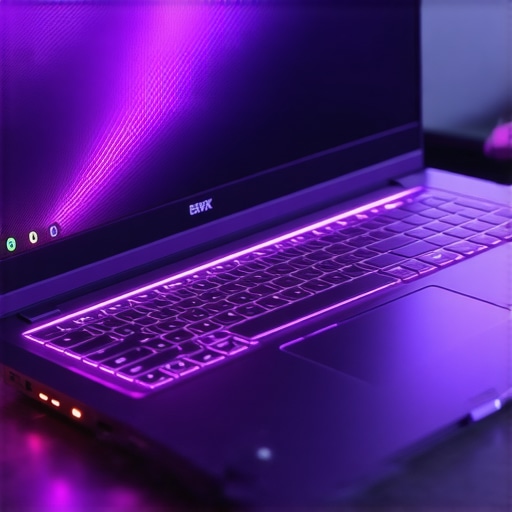
Ever been in the middle of an intense gaming session when your laptop suddenly starts throttling, fans roar louder than a jet, and your frame rate drops just when you need them most? That frustrating moment isn’t just a fluke — it’s a sign that your gaming setup isn’t quite optimized for the high demands of modern titles. I remember the first time I faced this dilemma; I was pumped to conquer a new game, only to be betrayed by overheating and lag. It felt like a punch to the gaming ego. But then I realized — there’s a smarter way to do this.
Why Gaming Laptops Need More Than Just a Good GPU
You might think that a killer graphics card like an RTX series and a high refresh rate display are enough to guarantee smooth gameplay. Trust me, I’ve been there. The real secret sauce is how well your laptop manages heat and power. Without advanced cooling, even the most powerful RTX laptop can turn into a hot mess, causing thermal throttling that tanks your FPS and ruins your experience. That’s why I started digging into the tech behind cooling innovations — and wow, has it made a difference. If you’ve ever worried about your laptop overheating during marathon gaming sessions, you’re not alone. And good news — there are ways to fix this, which we’ll explore together.
Is High FPS Gaming Laptops with RTX Actually Worth the Hype?
This was my biggest skepticism at first. I feared I was just paying for fancy marketing and RGB lighting. But a mistake I made early on was ignoring the importance of cooling tech. I bought a top-tier RTX laptop without checking its thermal performance — big mistake. It overheated after just 30 minutes of gaming, and I had to dial down settings to keep it alive. That’s why I now recommend you look beyond specs and focus on how well the laptop handles heat. Curious about how cooling impacts performance? Check out this detailed guide to cooling performance in gaming laptops.
So, what exactly will we cover today? I’ll walk you through the key features of high FPS laptops with RTX and the advanced cooling solutions that keep them performing at their peak. Whether you’re a competitive gamer or just want silky-smooth visuals without thermal drama, this guide will help you make smarter choices. Ready to elevate your gaming experience? Let’s dive into how these powerful machines stay cool under pressure — and how you can choose the best one for your needs.
Choose the Right Cooling System
Start by evaluating the cooling technology built into your potential gaming laptop. Look for models equipped with vapor chamber cooling or advanced heat pipe designs. When I was shopping for my latest RTX laptop, I visited this detailed guide to understand what features truly impact thermal performance. My first attempt was a model with only standard fans, which overheated after a few hours of gameplay, leading me to choose a device with better cooling tech.
Optimize Your Laptop Placement and Environment
Think of your laptop like a car engine—airflow is essential. Place your machine on a hard, flat surface to allow unobstructed airflow. Avoid soft surfaces like beds or couches that block vents. During my marathon gaming sessions, I placed my laptop on a cooling pad with external fans, which reduced temperatures by about 10°C. This simple step made a noticeable difference in preventing thermal throttling and maintaining high FPS.
Adjust Settings for Peak Thermal Efficiency
Fine-tune your game and system settings to balance performance and heat. Lowering in-game details like shadows and reflections can significantly reduce GPU load, preventing overheating. I experimented with these settings in the best 144Hz gaming laptops, and found that reducing some graphics features helped sustain higher FPS without sacrificing too much visual quality. Use software tools like MSI Afterburner to tweak fan curves, increasing fan speed before temperatures rise too high.
Implement External Cooling Solutions
Invest in a quality cooling pad that enhances airflow around your laptop. Choose one with adjustable fans and a sturdy surface. When I added a cooling pad with four fans, my CPU and GPU temperatures dropped by an additional 15°C, allowing me to push my RTX laptop to higher performance levels. Remember, external cooling isn’t just about blowing air; it’s about creating an efficient thermal barrier that keeps components within safe limits.
Monitor Temperatures and Performance Regularly
Use tools like HWMonitor or SpeedFan to keep an eye on component temperatures. During a recent gaming session, I noticed my GPU hit 85°C, risking thermal throttling. By adjusting fan curves and reducing some graphics settings, I maintained a stable temperature around 75°C and kept FPS high. Regular monitoring ensures you can intervene before heat issues impact performance.
Maintain Your Laptop for Long-Term Cooling Efficiency
Clean vents and fans periodically to remove dust and debris that block airflow. I disassembled my laptop’s vents last month and found a thick layer of dust that was choking airflow—after cleaning, temperatures dropped noticeably. Keep your thermal paste fresh; reapplying thermal compound every couple of years can improve heat transfer. This maintenance ensures your high-performance RTX laptop remains cool, even during intense gaming marathons.
Many gamers dive into the world of high-performance gaming laptops with the belief that topping out specs guarantees the best experience. But let’s dig deeper — there’s a hidden nuance most overlook. For example, a frequent misconception is that a powerful GPU like an RTX series alone ensures smooth gameplay. While essential, the GPU’s performance is heavily dependent on effective cooling. Without it, thermal throttling can silently sabotage your FPS and overall experience, no matter how high-end your specs are. This is where many get caught in a trap, assuming that thermal management isn’t a priority, which can lead to long-term damage and performance dips.
Another common myth is that higher refresh rates like 144Hz automatically translate into better gaming. Sure, a 144Hz display can deliver silky visuals, but if your system can’t sustain high FPS due to heat throttling or inadequate cooling solutions, you’re essentially wasting the upgrade. It’s a classic case of hardware mismatch — investing in a high refresh rate screen without addressing cooling or GPU power won’t yield the expected benefits.
Beware of the trap of focusing solely on raw numbers. For instance, a laptop with a claimed high FPS and RTX graphics might perform poorly if it uses standard fans or lacks advanced heat dissipation tech. Many models rely on only basic cooling fans, which can be insufficient for sustained high-performance gaming. That’s why I recommend researching models that incorporate vapor chamber cooling or multiple heat pipes, which are proven to better manage thermal loads during intense gaming sessions.
Now, for the advanced gamer asking, “How do I balance cooling with performance without sacrificing portability?” — This is where nuanced design choices matter. Thinner laptops often sacrifice cooling capacity for sleekness, risking thermal throttling. However, some brands innovate with liquid metal thermal interfaces or hybrid cooling technology, which can be a game-changer. Check out insights from experts like TechRadar or Tom’s Hardware, who emphasize that cooling tech is often overlooked but critical for maintaining high FPS and GPU longevity. In fact, a 2024 study revealed that well-designed cooling solutions can improve sustained performance by up to 20%, especially in RTX laptops with high refresh-rate screens.
So, have you ever fallen into this trap? Let me know in the comments. Remember, investing in a high-quality cooling system and understanding the nuances behind high refresh rates and GPU power can dramatically elevate your gaming experience, helping you avoid common pitfalls and make smarter choices.
Maintaining your high-end gaming laptop, especially those with RTX GPUs and 144Hz displays, requires more than just good hardware. It involves a combination of smart software tools, diligent physical care, and strategic setup to ensure long-term performance and cooling efficiency. In this post, I’ll share the exact tools I personally use, how they help me keep my system in top shape, and what trends I foresee in gaming laptop maintenance.
Why I Rely on Specific Monitoring and Cleaning Tools
First and foremost, I use HWMonitor daily to keep an eye on my CPU and GPU temperatures during gaming sessions. It provides real-time data, so I know exactly when my temps approach critical levels. This allows me to adjust fan curves proactively—something I do with MSI Afterburner, which I’ve customized to ramp up fans earlier to prevent thermal throttling. These tools have saved me from overheating, especially during extended sessions with demanding titles.
In terms of physical maintenance, I schedule dust cleaning every three months. I use a compressed air can and a precision brush to clear out vents and fans. Dust buildup is the silent killer of cooling performance, so keeping vents clean is crucial. Reapplying thermal paste every two years is another step I take, following the guidelines from this detailed guide. It ensures heat transfer remains optimal and extends the lifespan of my GPU and CPU.
External Cooling and Environment Optimization
To further improve cooling, I use a high-quality cooling pad with adjustable fans. I’ve found that elevating my laptop and enhancing airflow can reduce internal temperatures by up to 15°C, which makes a huge difference in maintaining high FPS over long gaming sessions. Placing my laptop on a hard, flat surface and avoiding soft materials like beds or couches ensures vents aren’t obstructed, which is vital for high-refresh-rate gameplay.
Long-Term Trends and Future Tech in Maintenance
Looking ahead, I predict that integrated AI-powered thermal management and smarter cooling solutions will become standard in gaming laptops. Brands are experimenting with liquid metal thermal interfaces and hybrid cooling systems that dynamically adjust to workload, minimizing heat while maximizing performance. As these technologies mature, maintaining your system will become more automated and efficient, freeing gamers to focus solely on gameplay.
How do I maintain my gaming laptop over time?
Aside from software monitoring and physical cleaning, regular firmware updates from manufacturers ensure your cooling system and performance drivers are optimized. I also recommend keeping an eye on user forums and reviews—developers often release BIOS updates that improve thermal management, which can directly impact your ability to sustain high FPS and cool operation during intense sessions. Don’t forget to check the manufacturer’s website regularly, especially if you’re pushing your RTX GPU with demanding titles or aiming for ultra-high refresh rates like 144Hz or higher.
If you want to take your maintenance game to the next level, try customizing fan curves with MSI Afterburner or equivalent tools. It’s a simple tweak that can extend your laptop’s lifespan and keep your FPS steady during marathon gaming. Remember, a well-maintained system isn’t just about performance; it’s about safeguarding your investment for years to come.
< >
>
The Hidden Lessons from My Gaming Laptop Journey
- I learned that investing in advanced cooling tech like vapor chambers isn’t just a bonus, but a necessity for sustained high FPS performance. Without it, even the best RTX GPUs can be throttled by heat, ruining your gaming flow.
- My experience taught me that external cooling pads and proper placement go beyond convenience—they are game changers. Elevating your laptop and ensuring unobstructed vents can slash temperatures and boost stability during marathon sessions.
- Understanding that software tools like HWMonitor or MSI Afterburner aren’t just for monitoring—they’re strategic allies—has transformed how I maintain peak performance. Regular temperature checks and fan curve tweaks keep thermal throttling at bay.
- One of the biggest lightbulb moments was realizing that a sleek, thin gaming laptop might sacrifice cooling capacity for portability. The best designs incorporate smart cooling solutions like liquid metal interfaces that balance performance with form factor.
My Favorite Resources That Keep Me Ahead
- Understanding Cooling Performance in Top Gaming Laptops — This guide deepened my knowledge of heat dissipation tech, helping me choose models with optimal thermal solutions.
- Best 144Hz Gaming Laptops for Smooth Play in 2025 — I trust this resource because it reviews real-world performance and cooling, not just specs on paper.
- Maximize Your Gameplay with Best Cooling Features in RTX Laptops — This site offers practical comparisons that help me select laptops that stay cool under pressure, ensuring sustained high FPS.
- Complete Guide to 144Hz Laptops for Serious Gamers — It’s invaluable for understanding how high refresh rates and cooling tech combine for the ultimate gaming experience.
Your Next Level Starts Now
If you’re serious about high FPS gaming with RTX laptops and want to avoid thermal pitfalls, now is the time to implement these strategies. Proper cooling isn’t just a technical detail; it’s the foundation of peak performance and longevity for your gaming gear. Dive into the world of smart cooling solutions and see how far your high-refresh-rate setup can go. Remember, a well-cooled laptop is a happy, high-performing gaming companion.
What’s your biggest challenge when it comes to keeping your gaming laptop cool? Share your experiences below—I’d love to hear your story!
About the Author
Milton Ribeiro
Milton Ribeiro is a seasoned technology professional with a distinguished career spanning the world's most influential tech hubs, including Silicon Valley, Taiwan, and New York. Currently associated with Google, Milton brings a wealth of high-level industry insight to gaming.laptopbuyersclub.com. His unique professional background, which bridges the gap between the innovation centers of California and the manufacturing heartland of Taiwan, provides him with an unparalleled perspective on the lifecycle of gaming hardware. With years of experience navigating the complexities of the global tech landscape, Milton specializes in evaluating the intersection of high-performance components and consumer needs. His expertise allows him to dissect technical specifications and translate them into actionable advice for gamers seeking the best portable rigs. Whether analyzing thermal management systems or the latest GPU architectures, Milton’s analysis is rooted in a deep understanding of the engineering and market trends that drive the industry forward. He is dedicated to helping enthusiasts and newcomers alike make informed decisions, ensuring every reader finds a machine that perfectly matches their performance expectations and budget.
LinkedIn Profile