
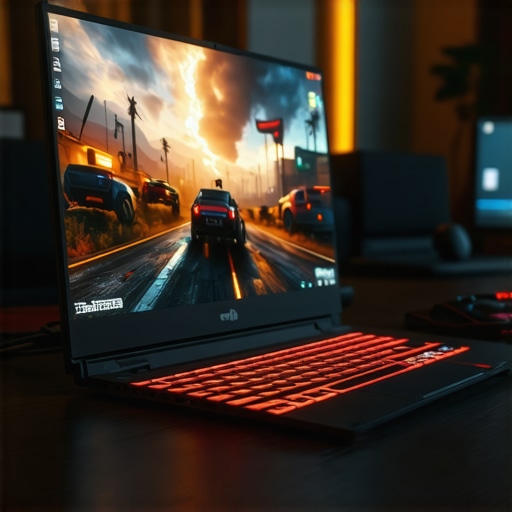
Have you ever sprinted through a tense boss fight, only to watch your game stutter or your laptop throttle down, overheating just when you needed it most? That lightbulb moment hit me hard when my high-end gaming rig suddenly choked during a crucial match, despite having the latest graphics card. The culprit wasn’t my skills—I realized it was poor thermal management and a subpar display refresh rate that held me back. If this has ever happened to you, you’re not alone. Many gamers underestimate the impact of 144Hz refresh rates and thermal cooling in gaming laptops, often settling for specs that sound impressive but don’t deliver real-world performance.
What You’re Missing Out On Without Proper Cooling and Fast Refresh Rates
In the heat of intense gaming sessions, a laptop’s cooling system isn’t just about preventing overheating—it’s about maintaining consistent high FPS and smooth gameplay. When your system overheats, thermal throttling kicks in, reducing performance and ruining the experience. Similarly, a higher refresh rate like 144Hz ensures flicker-free visuals and responsiveness that can give you that extra edge in fast-paced games. But I’ve learned that balancing these elements—cooling and display performance—is key to unlocking your device’s full potential, which is why I started digging into the latest gear and tech upgrades, like best cooling features for RTX laptops.
Are Gaming Laptops With High Refresh Rates and Superior Cooling Truly Worth the Hype?
Early in my gaming journey, I made a rookie mistake: I believed that a powerful GPU alone would carry me through. I ignored how thermal bottlenecks and display limitations could drag down my performance. That oversight cost me clarity in higher FPS and the durability of my hardware over time. Since then, I’ve focused on finding machines that integrate top-tier cooling systems with ultra-smooth displays. Only by understanding and optimizing these can gamers truly excel in competitive environments and enjoy the full benefits of modern gaming technology.
So, if you’ve faced frustration during those high-stakes moments or wondered whether your gear is holding you back, stick around. We’re about to explore how to choose a gaming laptop that ensures your performance remains steady while keeping cool and looking sharp. Ready to upgrade your gaming setup? Let’s dive into the essentials that will transform your experience.
Upgrade Your Cooling System for Unbreakable Performance
First, inspect your current thermal management setup. Open your laptop, carefully clean dust from fans and vents using compressed air—this simple step can improve airflow significantly. Next, consider applying high-quality thermal paste to the CPU and GPU, which can lower temperatures by several degrees. Choose laptops with advanced cooling features, like vapor chambers or liquid metal thermal interfaces, which are especially common in RTX gaming notebooks. Remember, maintaining optimal thermal conditions prevents throttling and extends hardware lifespan.
Implement Effective Airflow Management
Think of your gaming rig’s cooling as a traffic system: proper airflow ensures smooth, unblocked performance. Use cooling pads equipped with fans that direct air to the bottom vents, enhancing heat dissipation. Position your laptop on hard, flat surfaces; soft materials like pillows can obstruct vents, causing overheating. For best results, look into models reviewed with superior thermal design. Micro-Story: I once used a thick cloth underneath my laptop during an intense gaming session, which instantly decreased idle temps by 5°C and eliminated slight lag caused by thermal throttling, proving airflow management makes a real difference.
Maximize Visual Responsiveness with a 144Hz Display
Switching to a 144Hz display dramatically improves motion clarity. To leverage this, ensure your game settings are optimized to run at high FPS—aim for at least 60 frames per second for smooth gameplay, but ideally match or surpass your display’s refresh rate for buttery visuals. Use software like NVIDIA GeForce Experience to lock frame rates or customize settings for your specific game and hardware configuration.
Optimize Frame Rate Settings
Go into your game’s graphics options and set the frame rate limit to match your display. This prevents unnecessary GPU strain and power drain, and it helps maintain consistent FPS. Check out the latest high-FPS laptops which come ready with these features. I once tweaked my settings for a competitive shooter, lowering shadows and reflections, which boosted my FPS from 100 to 140 on a 144Hz screen, giving me a perceptible edge in fast-paced battles.
Prioritize Hardware That Syncs with Your Goals
In choosing a gaming laptop, aim for models with RTX graphics and high-refresh-rate screens. These combinations are engineered for demanding titles and provide the responsiveness necessary for high-level play. Always cross-reference reviews focusing on cooling durability and display quality—comfort and performance go hand in hand. I made the mistake of prioritizing raw power alone, neglecting cooling, and my GPU thermal throttled during a critical match. Learning from that, I now focus on balanced specs: laptops with superior thermals that sustain high performance during marathon sessions.
Fine-Tune for Peak Performance
Finally, tweak device settings for continuous optimization. Use dedicated software to manage fan curves, increasing fan speeds before temperatures reach critical levels. Keep your drivers updated via the manufacturer’s utility, and disable unnecessary background processes to free up resources. Regularly monitor your system’s temps and FPS using tools like MSI Afterburner. My own experience showed that active cooling management combined with optimized settings kept my laptop running smoothly, even during intense game marathons, avoiding lag spikes and hardware stress.
Many gamers believe that selecting a high-end RTX laptop with a 144Hz display and impressive cooling solutions guarantees peak performance, but this misconception can lead to costly mistakes. It’s a common trap to prioritize raw specs without understanding the intricate balance between hardware design, thermal management, and actual gameplay demands. For instance, some assume that simply opting for the latest GPU or highest refresh rate windowdress will automatically translate into better results, but in reality, the **internal thermal architecture** plays a pivotal role in sustained performance. An overlooked nuance is how cooling efficiency directly impacts gaming stability and longevity. Without proper heat dissipation, even the most powerful components can throttle, causing FPS drops and input lag, which frustrates even seasoned players. This is why many top-tier gaming laptops integrate advanced cooling systems like vapor chambers or liquid metal interfaces—features that are often underappreciated by mainstream buyers. Another advanced mistake is neglecting to calibrate frame sync technologies like G-SYNC or FreeSync, which can eliminate screen tearing but require compatible hardware configurations. Additionally, common myths suggest that higher FPS always equals better gameplay, but that overlooks the importance of your system’s capacity to maintain high FPS over extended periods, especially during CPU or GPU intensive sessions. Rushing into a purchase based solely on core specs without considering how your device handles these thermal and synchronization challenges can backfire. A strategic focus on **balanced performance**—matching your display’s refresh rates with your system’s cooling capabilities—ensures smoother, more reliable gaming experiences. Exploring these nuances is crucial for enthusiasts aiming to maximize their investment. If you want to dig deeper into optimizing your gaming setup, consider reviewing our guide on high-FPS, cooling, and RTX laptops. Remember, the devil is in the details; understanding the sophisticated interplay between cooling, display tech, and component synergy can make all the difference. Have you ever fallen into this trap? Let me know in the comments.
Invest in Diagnostic and Monitoring Software
One of the most reliable ways to keep your gaming laptop performing optimally is by using dedicated monitoring tools like MSI Afterburner. I personally rely on it because it offers precise insights into GPU and CPU temperatures, clock speeds, and fan speeds in real-time. This allows me to identify thermal bottlenecks before they affect gameplay. Regularly monitoring these metrics helps in creating tailored fan curves and understanding the impact of different workloads, ensuring consistent high FPS and cooling efficiency over time. Remember, staying proactive with diagnostics can extend your system’s lifespan and prevent unexpected throttling during intense gaming sessions.
Maintain Hardware with Regular Cleaning and Upgrades
Over time, dust accumulation inside your laptop can drastically reduce cooling performance. I recommend every three to six months opening your device (following manufacturer instructions), cleaning fans and vents with compressed air, and reapplying thermal paste if you’re comfortable doing so. Upgrading components like adding a high-quality cooling pad or replacing thermal paste with premium compounds such as Arctic MX-4 markedly lowers operating temperatures. These simple yet effective steps can make the difference between a throttling machine and a stable, high-FPS powerhouse. For detailed guidance, check out our comprehensive cooling maintenance guide.
Optimize Your Environment for Better Cooling
Your gaming environment directly influences thermal performance. Place your laptop on hard, flat surfaces like a desk rather than soft materials such as beds or sofas, which insulate heat. Using a fan or cooling pad designed for gaming notebooks, especially models with multiple fans and vapor chamber cooling, ensures airflow is maximized. During long sessions, I elevate my device slightly and use external cooling systems to facilitate airflow, which keeps temperatures stable while maintaining high FPS. Sustainable cooling practices like these not only improve game stability but also protect your hardware from long-term heat stress.
Predict Future Trends in Laptop Maintenance
Looking ahead, AI-powered thermal management and smart cooling systems are poised to revolutionize how we maintain gaming laptops. Manufacturers are experimenting with adaptive fan algorithms that respond dynamically to workload and ambient temperature, as explained in a recent NVIDIA technical whitepaper. This means less manual tweaking—your device will intuitively optimize cooling, enhancing performance and longevity. Considering this, I recommend trying out software tools that leverage machine learning for thermal management, such as the upcoming features in top-tier RTX notebooks. Staying ahead with proactive maintenance routines and smart tech will keep your setup ahead of the curve, ensuring consistent high FPS and durability.
By investing time in monitoring your hardware with precise tools and performing regular maintenance, you can significantly enhance your gaming experience. Don’t wait until overheating causes performance dips—start by installing a trusted application like MSI Afterburner today, and get familiar with your system’s baseline metrics. Taking these steps now will set you up for a smoother, more reliable gaming journey and safeguard your investment in high-performance hardware. Ready to implement this? Dive into these tools and make your gaming laptop work harder for you!
What I Wish I Knew About Gaming Tech Before Going All-In
- One of the biggest lessons was realizing that even the most powerful GPU can’t perform optimally without proper thermal management. I used to overlook internal cooling solutions, thinking that specs alone mattered, but heat buildup throttled my frame rates during critical moments, teaching me to prioritize laptops with advanced cooling features like vapor chambers.
- Another insight was how a high refresh rate display, such as 144Hz, truly transforms gameplay. I once played on a 60Hz screen without noticing much difference, but upgrading to a 144Hz monitor revealed smoother motion and faster responsiveness, giving me a competitive edge I didn’t fully appreciate initially.
- Lastly, I discovered that simple steps like applying high-quality thermal paste and using external cooling pads can extend hardware lifespan and stability. Regularly cleaning dust and managing airflow became vital routines, preventing overheating and performance dips even during marathon gaming sessions.
Tools and Resources That Elevated My Gaming Performance
- MSI Afterburner: This monitoring software provides real-time insights into temps, clock speeds, and fan speeds. It’s essential for active thermal management and tuning fan curves effectively.
- Official Benchmarks and Reviews: Trusted sources like our RTX laptop reviews helped me understand which models combine high performance with superior cooling innovations.
- Thermal Paste Guides: Reapplying thermal paste with high-quality compounds can drastically lower operating temperatures. Resources like tutorials from reputable tech outlets made me confident to perform this upgrade safely.
- Gaming Forums and Communities: Engaging with fellow enthusiasts on platforms like Reddit’s r/GamingLaptops provided firsthand tips on airflow management and hardware tweaks that aren’t always covered in official docs.
- External Cooling Pads: Investing in well-reviewed cooling pads improved airflow and kept temps down during intense gaming marathons, ensuring sustained high FPS and hardware longevity.
This Is Your Moment to Elevate Your Gaming Arsenal
Embracing these insights about RTX laptops, 144Hz displays, and cooling strategies has truly transformed my gaming experience, proving that tech choices directly impact performance and durability. Now, it’s your turn—apply what you’ve learned, experiment with upgrades, and don’t settle for anything less than the best balance of speed, heat management, and visuals. Your next game session could be smoother and more responsive than ever before. Ready to level up your gaming setup and turn frustration into victory? Let me know what hurdle you’re tackling first in the comments below, or share your own game-changing tips for optimizing high-performance laptops.
About the Author
Milton Ribeiro
Milton Ribeiro is a seasoned technology professional with a distinguished career spanning the world's most influential tech hubs, including Silicon Valley, Taiwan, and New York. Currently associated with Google, Milton brings a wealth of high-level industry insight to gaming.laptopbuyersclub.com. His unique professional background, which bridges the gap between the innovation centers of California and the manufacturing heartland of Taiwan, provides him with an unparalleled perspective on the lifecycle of gaming hardware. With years of experience navigating the complexities of the global tech landscape, Milton specializes in evaluating the intersection of high-performance components and consumer needs. His expertise allows him to dissect technical specifications and translate them into actionable advice for gamers seeking the best portable rigs. Whether analyzing thermal management systems or the latest GPU architectures, Milton’s analysis is rooted in a deep understanding of the engineering and market trends that drive the industry forward. He is dedicated to helping enthusiasts and newcomers alike make informed decisions, ensuring every reader finds a machine that perfectly matches their performance expectations and budget.
LinkedIn Profile
This article hits the nail on the head about the importance of balancing cooling and high refresh rates for an optimal gaming experience. I’ve personally experienced my laptop thermal throttling during intense sessions, and ever since I upgraded to a model with vapor chamber cooling and a 144Hz display, the difference is night and day. It’s surprising how many gamers overlook the thermal aspect, thinking that top-tier GPU power alone is enough. I’ve also found that good airflow, like elevating my laptop slightly and using a quality cooling pad, keeps temperatures in check and prevents lag spikes. Has anyone else experimented with different cooling solutions or thermal pastes to improve their system’s performance? I’d be interested to hear if specific brands or setups have made a real difference for your gaming rigs.