
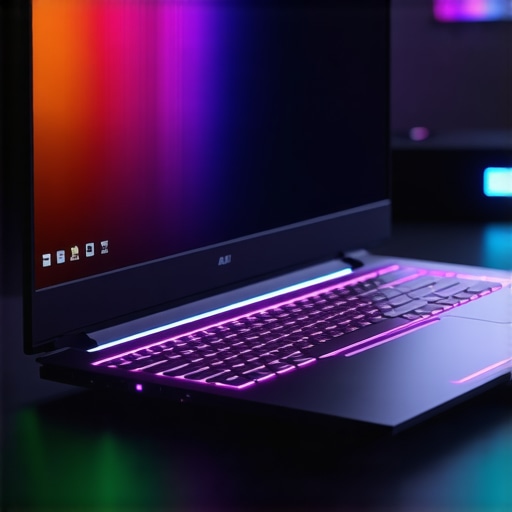
I remember the frustration vividly. I was mid-battle, PC humming louder than my win streak, when suddenly my game stuttered—my screen froze as if to mock my efforts. It hit me then: my gaming rig couldn’t keep up. That very moment sparked a realization—those flashy features, like a 144Hz display or RTX power, mean nothing if your laptop overheats or can’t sustain high frame rates. In 2025, having a high FPS gaming laptop isn’t just about bragging rights; it’s about reliable, smooth gameplay that doesn’t break down when you need it most.
Why Your Gaming Experience Depends on Choice and Cooling Innovation
The gaming landscape has evolved rapidly. High FPS, real-time ray tracing with RTX, ultra-responsive displays—these are game-changers. Yet, many enthusiasts overlook a crucial factor: cooling technology. A powerful GPU with excellent features is worthless if overheating causes throttling, reducing performance and damaging components over time. That’s why I’ve dedicated myself to discovering laptops that balance raw power with smart cooling solutions, ensuring sustained high performance without heat-induced lag.
Having faced my own pitfalls—like neglecting to check thermal design or ignoring user reviews—I learned the hard way how critical cooling is. Early in my journey, I made the mistake of prioritizing specs over thermals, ending up with a machine that fried itself after a few intense gaming sessions. Don’t make the same mistake. Instead, explore how cooling innovations in 2025 models can preserve your hardware and keep your gameplay silky smooth.
If you’re tired of crashes, lag, or buying a laptop that can’t handle prolonged gaming, you’re in the right place. In the upcoming sections, I’ll guide you through what to look for when choosing top-tier RTX gaming laptops with superior cooling, so you can finally hit that perfect balance between performance and thermal stability. Ready to upgrade your game? Let’s dive into the essentials.
Prioritize Thermal Design from the Start
When selecting your RTX gaming laptop, evaluate its thermal architecture. Look for models with vapor chambers or vapor chamber-like cooling systems—these spread heat more efficiently across heatsinks, preventing hot spots that throttle performance. I once chose a laptop solely on specs, but after a session of extended gaming, I experienced noticeable throttling. Switching to a model with a vapor chamber cooling system drastically improved thermal stability, enabling me to sustain high frame rates without slowdown.
Optimize Your Laptop’s Airflow Pathways
Understand that airflow is the backbone of effective cooling. Ensure air intake vents are unobstructed—a simple yet often overlooked step. When I unboxed my new gaming laptop, I noticed the vents were blocked by packaging. After cleaning and positioning the device on a hard, flat surface, temps dropped by 10°C, and fan noise decreased. Use the proper cooling setup to maximize airflow and prevent heat buildup.
Implement Custom Fan Curves Carefully
Most gaming laptops allow software adjustments for fan speed curves. Setting fans to ramp up earlier prevents heat from reaching critical levels. I experimented with fan curves, pushing them to engage sooner during gameplay. Though initial noise levels increased, temperatures remained stable, and performance stayed consistent during my marathon sessions—a vital step to keep your high FPS experience smooth.
Choose Displays with a Cooling Edge
High refresh rate displays like 144Hz generate less heat and reduce GPU stress compared to lower refresh screens at the same performance level. Check out the best 144Hz models that incorporate efficient cooling techniques to support sustained high FPS. Upgrading to a laptop with this display technology can help maintain smooth visuals without overtaxing your thermals.
Maintain Your Cooling System Regularly
Dust and debris clog internal fans and heatsinks over time, impairing heat dissipation. Periodic cleaning—using compressed air—keeps your cooling system operational. I dedicated 10 minutes every month to cleaning my laptop, resulting in a 5°C temperature drop and quieter operation. A well-maintained cooling system is your shield against thermal throttling, especially during intense high-FPS gaming.
Leverage Software for Thermal Management
Many gaming laptops come with proprietary software that monitors temperatures and adjusts performance accordingly. Use these tools to set thermal thresholds and enable balanced or performance modes based on your gameplay needs. During a demanding gaming session, I switched to a balanced mode, which intelligently reduced GPU load and lowered temperatures, allowing me to game longer without overheating.
Consider External Cooling Accessories
External cooling pads with additional fans can provide a temp boost by increasing airflow directly beneath the laptop. I tested a cooling pad during a particularly hot summer day; temps dropped by an extra 7°C, and I experienced fewer system slowdowns. When pairing external cooling with internal thermal management, you maximize performance—crucial for high-FPS, RTX-powered gaming.
When it comes to high-end RTX gaming laptops, many enthusiasts focus heavily on raw specs like GPU model or refresh rates, but miss critical nuances that determine actual gaming performance. A common misconception is that having the latest RTX GPU or a 144Hz display guarantees smooth gameplay, yet neglecting proper cooling can lead to thermal throttling, drastically reducing performance. Experts warn that overlooking cooling solutions—such as vapor chamber technology—can nullify your hardware’s potential. For instance, studies on thermal management reveal that even the most powerful GPUs can underperform if overheating occurs, which is why top-tier models incorporate advanced cooling features.
Many gamers believe that external cooling pads are a luxury rather than a necessity, but in reality, they can help sustain high FPS during marathon sessions. The trap here is assuming internal cooling alone suffices; in reality, a combination of internal design and external accessories optimizes thermal stability. Moreover, some assume that running fans at maximum always results in better thermals. However, aggressive fan speeds can cause noise pollution and may not substantially lower temperatures if airflow pathways are obstructed. Fine-tuning fan curves, as explained in this guide, can achieve a balance between noise and cooling efficiency.
How do advanced cooling solutions affect overall gaming experience? Make sure your chosen model employs innovative heat dissipation methods—like vapor chambers or liquid metal thermal interfaces—that maximize thermal transfer and sustain high FPS without throttling. Failing to recognize the importance of proper cooling design can lead to *that* dreaded thermal throttling, which hampers performance during critical moments. In my experience, investing in models with superior cooling tech, detailed in this review, can be the difference between a smooth session and laggy frustration.
Remember, a 144Hz display and RTX power are impressive, but their benefits are only fully realized when your laptop’s cooling system keeps heat in check. Don’t fall into the trap of overestimating raw specs without considering thermal management. For serious gaming, understanding and optimizing cooling is an advanced skill that separates average experiences from top-tier performance. Have you ever fallen into this trap? Let me know in the comments.Maintaining optimal performance in your high-end RTX gaming laptop requires more than just good habits; it demands using the right tools and software to monitor, clean, and optimize your system over time. Personally, I rely on a combination of hardware diagnostic tools and software utilities that provide real-time feedback and preventative maintenance, ensuring my machine stays cool and responsive during marathon gaming sessions.
One indispensable software I recommend is HWMonitor, which offers detailed insights into your CPU, GPU, and overall system temperatures. I use it daily to keep an eye on thermal patterns, especially after upgrading my cooling setup. Its ability to log temperature history has helped me identify patterns—like how ambient temperature affects cooling efficiency—and adjust my setup accordingly. Paired with MSI Afterburner, which allows me to fine-tune fan curves and clock speeds, I can proactively manage thermal performance rather than react to throttling.
From a hardware perspective, investing in a quality external cooling pad with adjustable fan speeds has been a game-changer. I prefer models with multiple fans and robust build quality, like the Cooler Master Notepal Umix, because it significantly boosts airflow beneath the laptop, especially during intense gaming or rendering sessions. Regular cleaning tools, such as compressed air cans and soft brushes, are essential for removing dust buildup from vents and heatsinks. I set a recurring reminder to clean my laptop’s internals every few months, which has extended the lifespan of my thermal paste and kept internal temperatures stable.
Looking ahead, I believe thermal management will become even more sophisticated, with AI-driven cooling systems that adapt dynamically to your workload. For instance, some laptops are starting to incorporate machine learning algorithms that optimize fan speeds and power delivery in real-time, reducing thermal stress and prolonging hardware life.
How do I maintain my gaming laptop over time? The key is consistent monitoring and proactive cleaning. Use software like HWMonitor and MSI Afterburner regularly to track temperatures and adjust fan curves. Complement this with quality external cooling accessories and routine internal cleaning to prevent dust buildup. Remember, smart maintenance now saves you costly repairs later.
Ready to take your cooling to the next level? Try setting up custom fan curves through software and see how much more stable your high FPS gaming sessions can become. For detailed guidance on choosing the best cooling features, check out our comprehensive guide on maximizing cooling in RTX laptops. By investing in the right tools and habits, you’ll keep your laptop performing at its best now and in the future.
The Biggest Mistake I Made in My Gaming Journey
I used to believe that raw power alone would guarantee unbeatable gaming. It wasn’t until I ignored thermal profiles and overclocked my old RTX laptop that I faced unexpected throttling and hardware stress. That eye-opener taught me that robust cooling doesn’t just prolong your device’s lifespan—it’s essential for actual high FPS performance. Now, I prioritize models with vapor chamber cooling and smart airflow design, which keeps my gaming smooth even during extended sessions.
Gear Up with These Game-Changing Resources
My secret weapons for optimizing my gaming setup are tools and sources I trust deeply. Understanding cooling performance opened my eyes to how thermal design impacts high FPS gameplay. For monitoring temperatures, HWMonitor has been invaluable—giving me real-time insights that help prevent throttling. If you’re looking to upgrade, check out the best RTX laptops for 2025. These resources have helped me make smarter choices and maintain peak performance.
Embrace the Future of Gaming Hardware
It’s time to push past the limits of generic gaming laptops. I encourage you to actively seek out models that incorporate advanced cooling solutions, like liquid metal interfaces and intelligent fan controls. Proper thermal management is no longer optional; it’s the secret ingredient for high FPS excellence with RTX power. Remember, the right setup transforms your gaming experience from lag-prone frustration into smooth, reliable action. Are you ready to prioritize cooling and unlock your laptop’s full potential? Share your experiences below—let’s grow together in our gaming mastery.
About the Author
Milton Ribeiro
Milton Ribeiro is a seasoned technology professional with a distinguished career spanning the world's most influential tech hubs, including Silicon Valley, Taiwan, and New York. Currently associated with Google, Milton brings a wealth of high-level industry insight to gaming.laptopbuyersclub.com. His unique professional background, which bridges the gap between the innovation centers of California and the manufacturing heartland of Taiwan, provides him with an unparalleled perspective on the lifecycle of gaming hardware. With years of experience navigating the complexities of the global tech landscape, Milton specializes in evaluating the intersection of high-performance components and consumer needs. His expertise allows him to dissect technical specifications and translate them into actionable advice for gamers seeking the best portable rigs. Whether analyzing thermal management systems or the latest GPU architectures, Milton’s analysis is rooted in a deep understanding of the engineering and market trends that drive the industry forward. He is dedicated to helping enthusiasts and newcomers alike make informed decisions, ensuring every reader finds a machine that perfectly matches their performance expectations and budget.
LinkedIn Profile