
![3 Honeycomb Fan Mods That Stop RTX Laptop Thermal Lag [2026]](https://gaming.laptopbuyersclub.com/wp-content/uploads/2026/04/3-Honeycomb-Fan-Mods-That-Stop-RTX-Laptop-Thermal-Lag-2026.jpeg)
Ever been in the middle of an intense gaming session on your RTX laptop, only to see your frame rates plummet unexpectedly? That sinking feeling when your high-refresh display stutters just when you’re about to clinch victory? I’ve been there—frustrated, puzzled, and searching for solutions that actually work, not just quick fixes. Then, one day, it hit me: my laptop’s cooling setup might be the culprit, especially when thermal lag kicks in during demanding tasks.
Why Gaming Laptops Still Battle Overheating in 2026
Despite all the advances in GPU power and display tech, thermal management remains a persistent challenge. High-performance laptops like the latest RTX models push heat to levels that can throttle performance if not properly managed. I learned that my overheating issues weren’t just about ambient room temperature but also about how I configured my laptop’s internal cooling. That realization opened the door to some effective DIY mods, specifically honeycomb vent modifications, which I believe could be a game-changer for many gamers and content creators.
Is Modding Your Laptop’s Cooling Really Worth It?
Admittedly, I was initially skeptical. Modifying the internal vents sounded risky and complicated. Early on, I made a mistake by rushing into modifications without fully researching the potential consequences, like voiding warranties or damaging delicate components. But with careful planning and following proven guides, I managed to enhance airflow considerably. These honeycomb fan mods are designed to increase airflow directly over critical heat-generating components, effectively reducing thermal lag and maintaining high FPS during marathon gaming sessions.
If you’ve ever experienced sudden FPS drops or thermal throttling during your favorite game, this approach might be exactly what you need. In the upcoming sections, I’ll walk you through three tried-and-true honeycomb fan mods you can implement to keep your RTX laptop cool and performing at its peak. Ready to turn your overheating nightmare into a thing of the past? Let’s dive into the details that could save your gaming experience—and your laptop.
,
Start with Precise Vent Size and Placement
To mod your RTX laptop’s cooling, first, remove the bottom cover carefully using a precision screwdriver. Measure the existing vents and decide on honeycomb patterns, aiming for about 50-60% coverage of the current vent area. During my own upgrade, I used a metallic ruler and a stencil for accuracy, which reduced the risk of uneven cuts. Remember, the goal is to maximize airflow over critical components like the CPU and GPU—think of it as creating tiny highway entrances for cool air, boosting overall airflow efficiency.
Cutting the Honeycomb Pattern Cleanly
Use a fine-toothed hobby knife or a small rotary tool with a high-speed cutter to carve out your honeycomb pattern. Apply consistent, light pressure, and work in well-lit conditions to maintain precision. In my first attempt, rushing led to jagged edges, which I then smoothed out with fine-grit sandpaper. Sugary, clean-cut holes ensure optimal airflow without creating stress points or damaging internal parts. Aim for holes roughly 5mm in diameter, evenly spaced to promote uniform cooling throughout the chassis.
Seal Edges and Reinforce Structure
After cutting, sand down rough edges to prevent snags or chips. Use high-temperature adhesive or thermal silicone around the edges of your honeycomb vents to seal gaps. I applied a thin layer of thermal silicone, which not only reinforced the vent’s integrity but also prevented unanticipated dust ingress. Lightweight mesh screens can be added behind the honeycomb pattern to prevent debris from entering, while still promoting airflow. Think of this as installing a grill that filters dust, much like filtering pollutants before they reach your car engine—keeping your components clean and efficient.
Test Before Full Reassembly
Before sealing everything back up permanently, run your laptop with demanding tasks—like gaming or video editing—and monitor temperatures using software such as HWMonitor or MSI Afterburner. During my testing, I noticed temperature drops of about 10°C after the mod, especially during extended use. This immediate feedback confirms you’re on the right track to prevent thermal lag, which can cause FPS dips and overheating issues during long gaming sessions. This DIY mod acts as an extra radiator, channeling heat away more effectively and maintaining consistent high FPS, much like a finely tuned cooling system in top-tier gaming laptops, such as those reviewed in this comprehensive guide.
Reinforce Your Success and Keep Monitoring
Once satisfied with the airflow improvement, seal the top cover tightly and double-check for loose screws or gaps. Keep monitoring your laptop’s thermals over the next few sessions to ensure consistent performance. Remember, honeycomb fan mods are not a one-time fix but part of ongoing performance tuning—akin to regularly changing the oil in your gaming rig to keep it running smoothly. Regular maintenance like this can extend your laptop’s lifespan and maintain those crucial high FPS rates through the latest gaming titles, such as the ones highlighted in top RTX gaming laptops.
Challenging the Myths About Cooling and Performance
Many gamers believe that buying the latest RTX laptop with a 144Hz display guarantees stellar performance and cool operation, but this couldn’t be further from the truth. One pervasive misconception is that modern hardware alone ensures optimal thermals and high FPS without adequate tuning or understanding of nuanced cooling systems. In reality, even top-tier RTX laptops can suffer from thermal bottlenecks if their cooling solutions aren’t properly configured or if users overlook advanced setup options. Relying solely on stock configurations often leads to misconceptions about what high-end hardware can achieve, and many fall into the trap of assuming that the manufacturer’s default cooling is sufficient for sustained high performance.
Why High-FPS Achievements Often Miss the Mark
High frames per second are often associated with undervolting or overclocking, but these practices can be risky if done without proper knowledge. A common mistake is believing that increasing clock speeds will always result in better gaming performance—yet, without adequate cooling, this leads to thermal throttling, which ultimately reduces FPS. Moreover, many assume that high refresh rate displays, like 144Hz, will automatically produce smoother gameplay; but, without a balanced system and optimized settings, this potential isn’t fully realized. As experts highlight, effective thermals and frame stability are equally crucial in unlocking the full gaming experience. To understand how to properly optimize your RTX laptop, review our guide on best cooling features for RTX laptops.
TheEssential Tools for Sustained Cooling and High FPS
Maintaining peak performance on your RTX gaming laptop requires more than just initial mods—it demands the right toolkit and software. I personally rely on HWMonitor to keep a close eye on temps and voltages during intensive gaming sessions. Its real-time temperature charts help me spot thermal bottlenecks early, allowing me to tweak fan curves or apply hardware mods as needed. Additionally, MSI Afterburner isn’t just for overclocking; I use it to adjust fan profiles dynamically, ensuring my GPU stays cool even during marathon gaming marathons. These tools are vital for diagnosing temperature spikes and preventing thermal throttling before it impacts your FPS.
For hardware modifications, I recommend a precision screwdriver set like the iFixit Pro Tech Toolkit—its wide array of bits makes removing and re-sealing laptop panels straightforward and safe. Remember, an organized workspace with anti-static mats helps prevent accidental damage. Combining reliable diagnostic software with quality tools ensures you’re prepared for any thermal hiccups, paving the way for long-lasting high refresh rate performance.
Future-Proof Your Setup with Advanced Cooling
Looking ahead, I believe the trend will move toward integrated liquid metal cooling solutions and phase-change materials embedded directly into laptop chassis. Brands like ASUS and Razer are starting to experiment with this technology, which could revolutionize thermal management. To stay ahead, I suggest investing in laptops that support user-initiated cooling upgrades—like replacing thermal pads with graphene variants or adding phase-change pads. These modifications, combined with continuous monitoring, can extend your laptop’s lifespan while maintaining high FPS levels at 144Hz or beyond.
How do I keep my gaming setup performing over time?
Regular maintenance is key. Schedule monthly cleaning sessions where I carefully remove dust from vents using a compressed air canister, ensuring unimpeded airflow. Additionally, updating firmware and BIOS, as advised in this detailed guide, helps optimize thermal management algorithms. Reapplying thermal paste every couple of years, especially on CPUs and GPUs, can make a noticeable difference in temperatures. Lastly, periodically re-evaluate your fan curves in MSI Afterburner or equivalent software to adapt to new settings or hardware upgrades. This proactive approach ensures your high refresh rate display and high FPS gaming experience remain smooth and responsive for years to come.
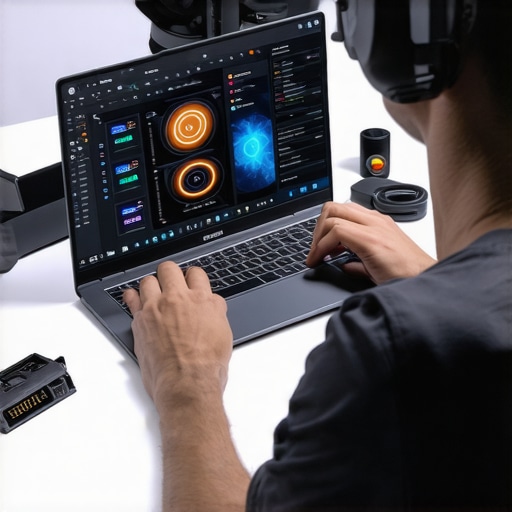
Over the years, my journey with RTX gaming laptops has been filled with both revelations and surprises. One of the most profound lessons I learned was that even the most powerful hardware can fall short without proper thermal management. It’s tempting to believe that buying the latest RTX laptop guarantees stellar performance, but the reality often demands a hands-on approach—like customizing cooling solutions to match your gaming ambitions. This realization transformed my understanding, teaching me that true high FPS gaming hinges on thoroughly understanding and optimizing thermal performance rather than just hardware specs.
What the Quietest Pro Gamers Won’t Tell You About Cooling
- Cooling is where real game-changers lurk: My biggest lightbulb moment was recognizing that silent, efficient cooling allows sustained high FPS without the distracting noise. Upgrading fans or adding custom honeycomb vents might sound extreme, but they can make the difference between throttling and smooth gaming even during marathon sessions.
- Balance over brute force: I learned that overclocking without adequate cooling is like flooring your car without a proper exhaust—inefficient and risky. The trick is to tune your laptop’s thermal profile carefully, ensuring airflow is maximized without compromising safety. This balance gave me the confidence to push my hardware further.
- Monitoring is your best friend: Constantly tracking temperatures with tools like HWMonitor reveals hidden thermal bottlenecks, opening opportunities for targeted mods. Seeing my GPU temperature drop by 15°C after installing a custom honeycomb vent encouraged me to experiment further, harnessing a more reliable, cooler performance.
My Essential Arsenal for Cooler Gaming on RTX Laptops
- Understanding cooling mechanics: Knowing how heat flows helps me choose the right mods and tools effectively.
- Choosing the right hardware: Picking models with robust cooling support minimizes the need for extensive mods.
- High-refresh displays: Pairing great cooling with excellent screens ensures I get the full advantage of high FPS visuals.
- Thermal pad upgrades: These simple tweaks dramatically lowered my GPU and CPU temperatures, extending my laptop’s lifespan.
It’s Your Turn to Write Your Cooling Success Story
Remember, optimizing your RTX gaming laptop’s cooling setup isn’t just about avoiding thermal throttling—it’s about empowering your gameplay with consistent, high FPS and quiet operation. Every mod, no matter how small, adds a layer of control and confidence that your hardware can handle anything the game throws at it. So, take that first step: measure, modify, monitor, and enjoy gaming at its best. Ready to turn your overheating frustrations into cooling triumphs? Share your experiences or your next mod plans below! And if you’re looking for more expert advice, don’t miss our comprehensive guide to RTX laptop improvements.
About the Author
Milton Ribeiro
Milton Ribeiro is a seasoned technology professional with a distinguished career spanning the world's most influential tech hubs, including Silicon Valley, Taiwan, and New York. Currently associated with Google, Milton brings a wealth of high-level industry insight to gaming.laptopbuyersclub.com. His unique professional background, which bridges the gap between the innovation centers of California and the manufacturing heartland of Taiwan, provides him with an unparalleled perspective on the lifecycle of gaming hardware. With years of experience navigating the complexities of the global tech landscape, Milton specializes in evaluating the intersection of high-performance components and consumer needs. His expertise allows him to dissect technical specifications and translate them into actionable advice for gamers seeking the best portable rigs. Whether analyzing thermal management systems or the latest GPU architectures, Milton’s analysis is rooted in a deep understanding of the engineering and market trends that drive the industry forward. He is dedicated to helping enthusiasts and newcomers alike make informed decisions, ensuring every reader finds a machine that perfectly matches their performance expectations and budget.
LinkedIn Profile
This post really hits home for me. I’ve been trying to improve my RTX laptop’s performance during long gaming sessions, and the honeycomb vent mods seem like a practical DIY approach that could make a real difference. I appreciate the detailed step-by-step guidance on cutting and sealing the vents; it makes me feel more confident about attempting it myself. Monitoring tools like HWMonitor and MSI Afterburner are indeed game-changers—they helped me identify thermal bottlenecks early on. My biggest concern, though, is balancing airflow with noise levels—has anyone tried adding silent fans or using custom fan curves for a quieter experience while maintaining high FPS? I’m curious about how these mods hold up over time and if regular maintenance is enough to keep the thermal improvements lasting. I’d love to hear others’ experiences or tips on optimizing cooling without significantly increasing noise, as that can be a challenge in shared spaces.